Cutting back on sugar doesn’t mean giving up sweetness. Here’s a quick guide to the low-calorie sweeteners that come closest to the taste and mouthfeel of real sugar.
Natural Sweeteners
-
Stevia: Zero-calorie, 200–300x sweeter than sugar. Sweet up front, but often has a bitter or licorice-like aftertaste.
-
Monk Fruit: Zero-calorie, 150–200x sweeter. Smoother and cleaner than stevia, though sweetness can linger.
-
Allulose: ~0.4 cal/g, ~70% as sweet. Looks, dissolves, and browns like sugar—one of the closest matches available.
-
Sweet Proteins: Zero-calorie, hundreds to thousands of times sweeter. Balanced, clean sweetness with a familiar finish—exceptionally close to sugar.
Sugar Alcohols
-
Erythritol: ~0 cal, ~70% as sweet. Mild, clean sweetness, but can create a noticeable cooling effect.
-
Xylitol: ~2.4 cal/g, equal sweetness. Very sugar-like, no bitterness or cooling, though may cause digestive discomfort for some.
Artificial Sweeteners
-
Sucralose: 0 cal, ~600x sweeter. Sweet but sharp and one-dimensional compared to sugar.
-
Aspartame: 0 cal, ~200x sweeter. Smooth upfront sweetness, but doesn’t fully replicate sugar’s mouthfeel and can break down with heat.
Why Do Some Sweeteners Fall Short?
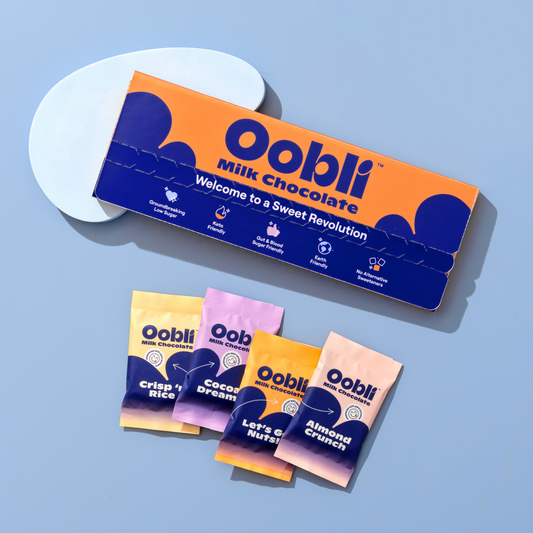
Most low-calorie sweeteners focus on intensity rather than the full experience of sugar—balance, timing, and mouthfeel. That’s why sweet proteins, like those from Oobli, stand out: they interact with sweetness receptors more like sugar itself, delivering a clean, familiar taste without bitterness or cooling effects.
Verdict: Closest to Sugar
From most to least sugar-like:
-
Sweet Proteins
-
Allulose
-
Xylitol
-
Monk Fruit
-
Stevia
-
Erythritol
-
Aspartame
-
Sucralose
Taste will vary by person and application, but for low-calorie sweetness that feels familiar, sweet proteins are the clear front-runner.