GLP-1 maintenance is quickly becoming a central conversation in metabolic health. While GLP-1 medications have reshaped weight loss and blood sugar management, long-term success depends on what happens after initial treatment results are achieved.
Millions of people are using GLP-1 therapies to support appetite regulation, blood sugar control, and sustained weight reduction. But weight loss is only the beginning.
As more patients reach their goal weight, a new question emerges: what happens next? Whether transitioning to a lower dose or stopping treatment, maintaining results requires more than medication alone. It requires a strategy that supports stable appetite signaling, balanced blood sugar, and sustainable nutrition habits.
What Is GLP-1?
GLP-1 (glucagon-like peptide-1) is a naturally occurring hormone released in the gut after eating. It plays a central role in regulating blood sugar and appetite, acting as one of the body’s key metabolic messengers.
How does GLP-1 work?
After understanding what GLP-1 is, the next logical question is: how does GLP-1 work? When food enters the small intestine, GLP-1 is released and signals the pancreas to produce insulin. It also slows gastric emptying, which helps you feel full for a longer period of time. At the same time, it reduces glucagon secretion (a hormone that raises blood sugar) and sends satiety signals to the brain.
In simple terms, GLP-1 acts as a metabolic coordinator — helping align blood sugar control with appetite regulation.
Modern GLP-1 medications are designed to mimic this natural hormone. By activating GLP-1 receptors in the body, these therapies enhance feelings of fullness, reduce calorie intake, and improve glycemic control.
What Are GLP-1 Side Effects?
Like any treatment, there can be side effects, particularly at higher doses. Common GLP-1 side effects include:
-
Nausea
-
Slowed digestion
-
Bloating or gastrointestinal discomfort
-
Temporary appetite suppression beyond intended levels
-
Constipation or diarrhea
For many patients, these effects lessen over time or improve with dose adjustments.
Understanding how GLP-1 functions — along with potential GLP-1 side effects — is essential before discussing what comes next: GLP-1 maintenance.
What Is GLP-1 Maintenance?
Weight loss achieved with GLP-1 medications does not automatically translate into long-term stability. GLP-1 maintenance typically unfolds in two phases: tapering to a stable dose and transitioning to life after treatment.
Both phases require intention. While medication may initiate appetite regulation and weight reduction, maintaining those outcomes depends on how the body adapts once dosing changes or treatment ends.
Phase 1: Tapering to a Stable Dose
Many patients reduce from a higher, weight-loss-focused dose to a lower long-term dose once their goals are achieved. This phase can feel subtle, but it’s metabolically significant.
As dosing decreases, appetite cues may gradually return. At the same time, some GLP-1 side effects — such as nausea or digestive discomfort — may diminish. While this can improve quality of life, it also means the body’s natural hunger signaling begins reasserting itself.
This stage of GLP-1 maintenance requires intention. Without supportive nutrition habits, individuals may notice creeping cravings or increased snacking. The key during tapering is reinforcing dietary patterns that support satiety and blood sugar stability.
Phase 2: Life After GLP-1 Medications
For some individuals, long-term treatment is not the goal. After discontinuing GLP-1 medications, appetite regulation shifts back to the body’s endogenous hormone production.
Hunger signals can intensify. Blood sugar fluctuations may become more noticeable. Without strategic support, weight regain becomes a risk — not because the therapy “failed,” but because the biological drivers of appetite have returned.
This is where lifestyle-driven GLP-1 maintenance becomes essential. Supporting the body’s natural satiety cues, minimizing glucose volatility, and reducing reliance on high-sugar foods can make the transition more sustainable.
Tips for GLP-1 Maintenance
Lifestyle-focused strategies can help support the transition during GLP-1 maintenance. Considerations that may support long-term metabolic balance include:
-
Prioritizing protein- and fiber-rich foods that support satiety
-
Being mindful of added sugar consumption
-
Supporting steady energy levels between meals
-
Choosing ingredients that help minimize unnecessary glycemic spikes
-
Maintaining consistent eating routines that align with natural hunger cues
How Does Sugar Impact GLP-1 Maintenance?
One of the most overlooked factors in long-term metabolic health is added sugar.
Refined sugars are rapidly absorbed by the body, often leading to sharp glucose spikes followed by energy crashes. These fluctuations can disrupt hunger signaling and override fullness cues — the very systems GLP-1 medications are designed to help regulate.
During and after GLP-1 treatment, stabilizing blood sugar becomes increasingly important. Reducing added sugar while still preserving enjoyment in food can help reinforce healthy satiety patterns rather than undermine them.
Added sugar consumption can interfere with metabolic stability in several ways:
-
Promoting rapid blood glucose spikes
-
Triggering subsequent energy and hunger crashes
-
Increasing the likelihood of cravings shortly after eating
-
Disrupting natural fullness signaling
-
Encouraging overconsumption driven by rebound hunger
How Do Sweet Proteins Fit Into GLP-1 Maintenance?
Sweet proteins offer a novel approach to reducing added sugar without eliminating sweetness from the diet. Derived from natural sources, sweet proteins provide intense sweetness without the glucose spike associated with traditional sugar.
Unlike refined sugars, sweet proteins do not meaningfully raise blood glucose levels or trigger the same insulin response. By minimizing glycemic volatility, they can help support stable energy and appetite patterns.
In the context of GLP-1 maintenance, this type of stability matters. Whether tapering to a lower dose or navigating life after treatment, maintaining consistent blood sugar patterns can help reinforce the body’s natural satiety signaling.
Using sweet proteins as part of a broader nutritional strategy may help support:
-
Reduced added sugar consumption
-
Lower glycemic fluctuations after eating
-
Preservation of sweetness without metabolic stress
-
More stable energy levels between meals
-
Alignment with appetite regulation goals during GLP-1 maintenance
Importantly, sweet proteins are not intended to replace medical care or GLP-1 therapy. Instead, they can serve as a complementary nutritional tool, helping individuals reduce added sugar intake while still enjoying sweet flavors.
A Smarter Approach to Long-Term Metabolic Health
GLP-1 medications have helped redefine what’s possible in weight management. But long-term success depends on what happens beyond the initial results.
Sustainable metabolic health is built on stability — steady blood sugar, balanced appetite signals, and thoughtful ingredient choices. As conversations around GLP-1 maintenance continue to evolve, reducing added sugar remains a foundational strategy.
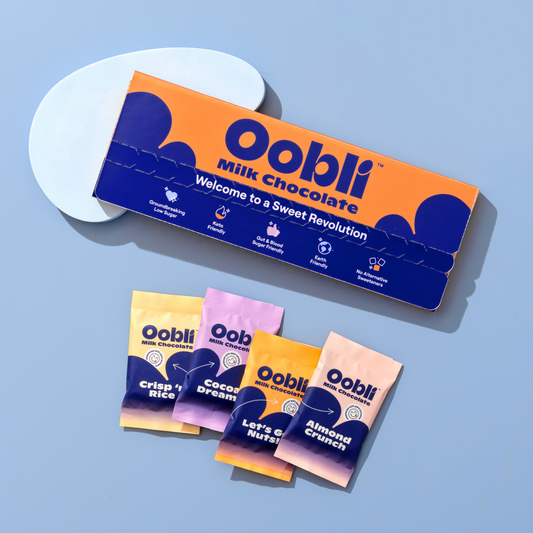
Oobli’s sweet proteins are designed to align sweetness with metabolic health goals, offering a way to enjoy flavor while supporting long-term balance.
Explore how Oobli can help you build a smarter, more sustainable approach to metabolic wellness.
GLP-1 Maintenance FAQs
1. What is GLP-1 maintenance?
GLP1 maintenance refers to strategies used to help sustain weight loss and metabolic improvements after using GLP1 medication, including tapering doses or supporting lifestyle habits that promote stable appetite and blood sugar regulation.
2. How does GLP-1 work in the body?
GLP1 works by stimulating insulin release, slowing gastric emptying, and sending satiety signals to the brain. This helps regulate blood sugar levels and reduce appetite.
3. What are common GLP-1 side effects?
Common GLP1 side effects may include nausea, bloating, constipation or diarrhea, slowed digestion, and temporary appetite suppression, especially at higher doses.
4. Can GLP-1 medication be stopped after weight loss?
Some individuals transition off GLP1 medication after reaching their goals, but appetite signals and hunger regulation may change. This is why lifestyle-focused GLP1 maintenance strategies are important.
5. Can sweet proteins help with GLP-1 maintenance?
Yes. Sweet proteins provide intense sweetness without spiking blood sugar or triggering insulin responses. They can help support stable energy, appetite control, and dietary adherence during GLP1 maintenance.